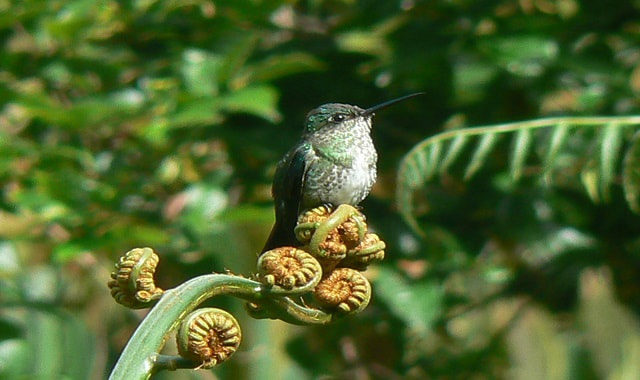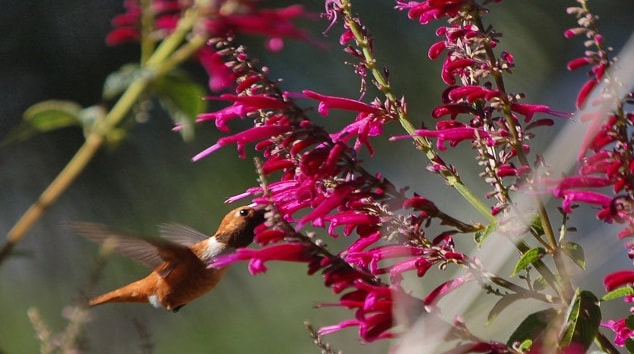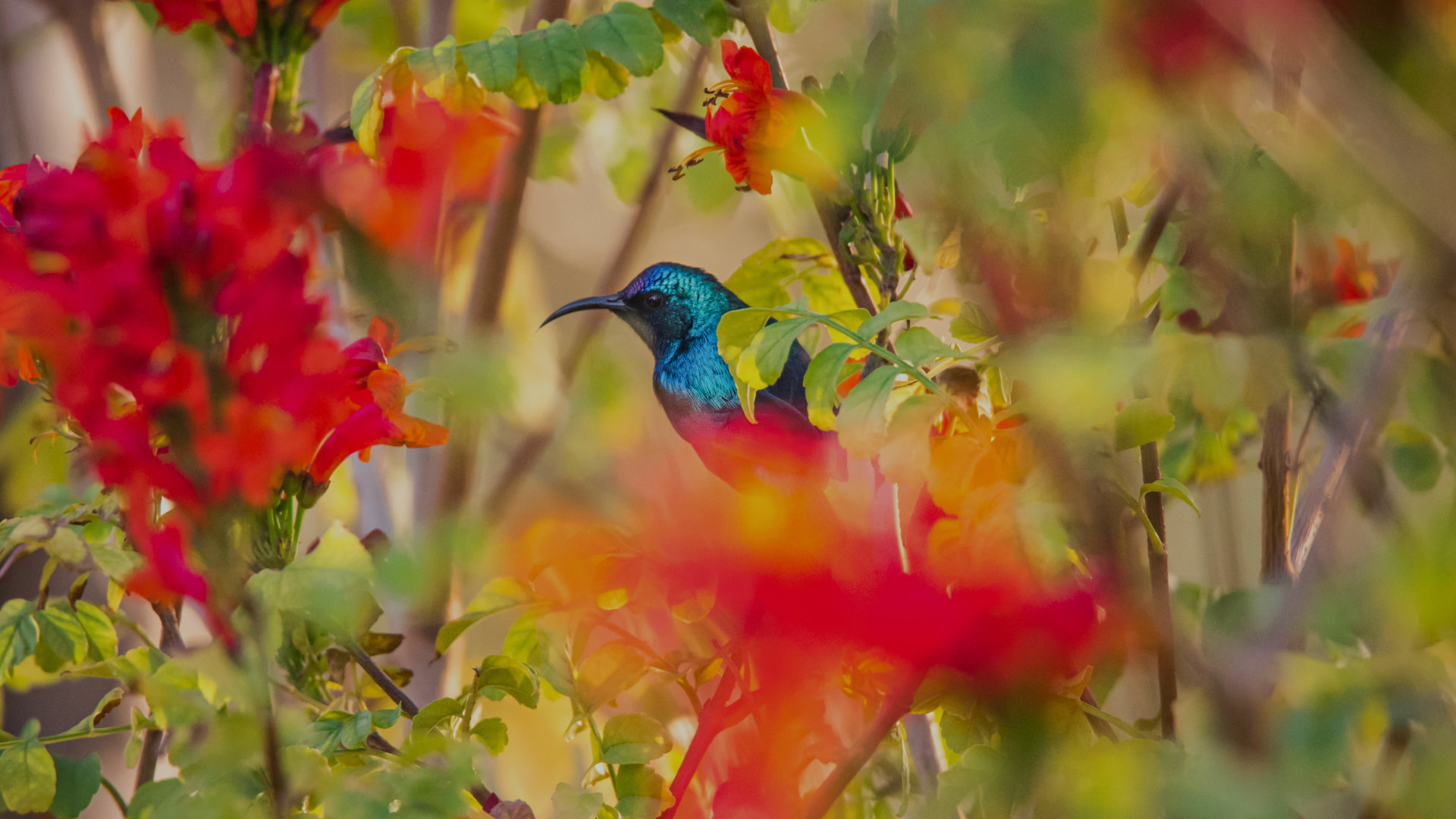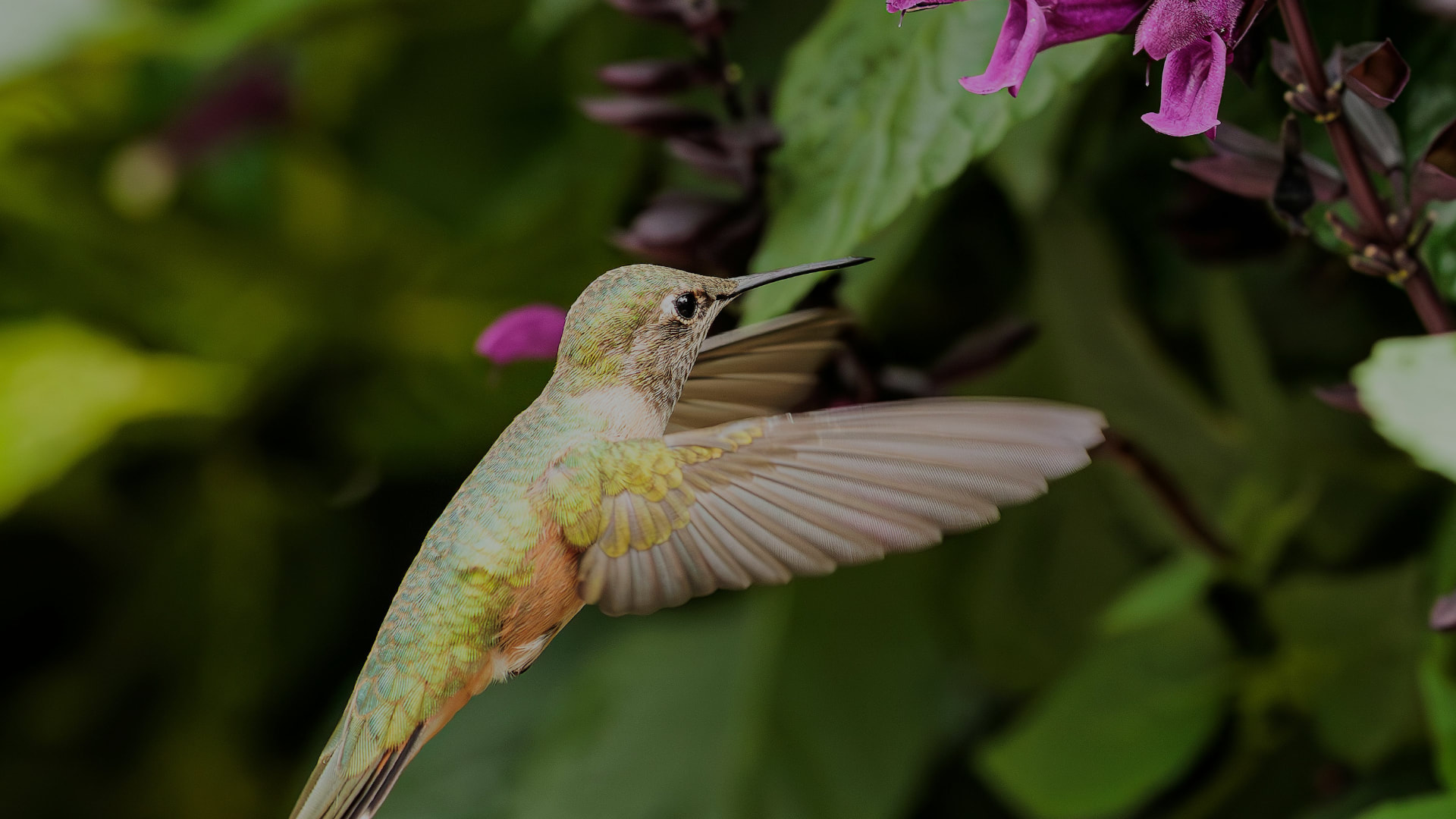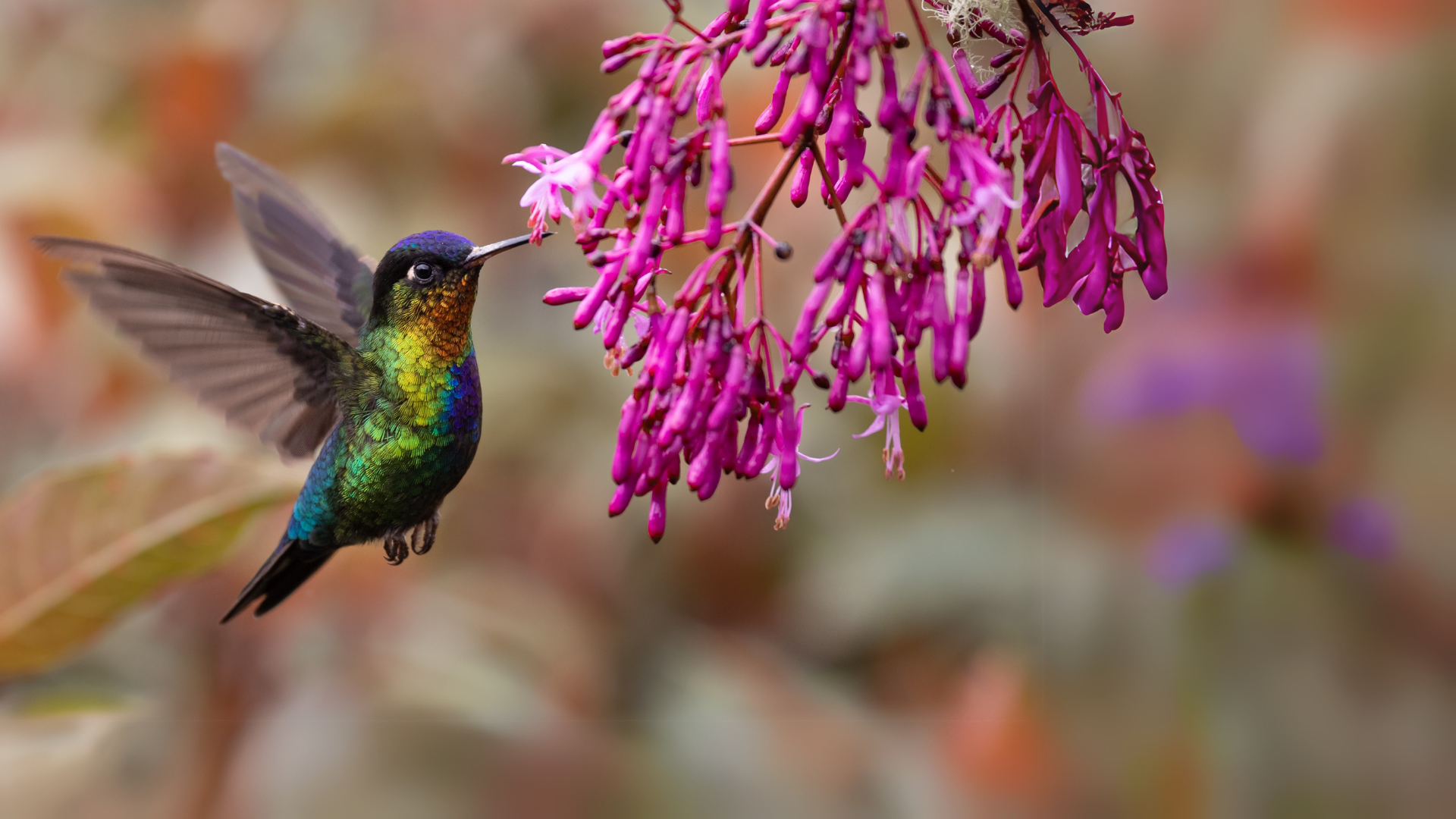
Hummingbirds inspire, fascinate, dazzle, and bring joy. Yet, increasing numbers of species are becoming imperiled in a world changing quickly and with increasing impacts.
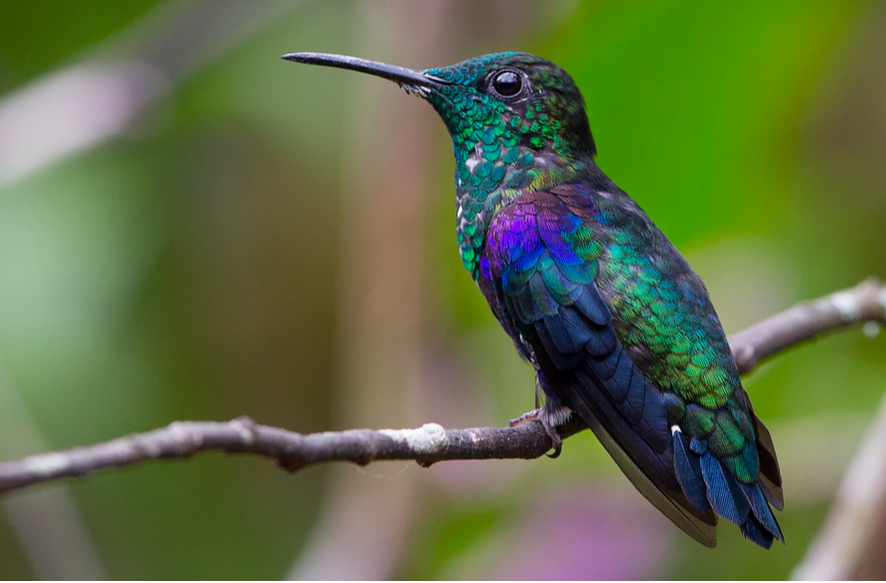
Hummingbirds inspire, fascinate, dazzle, and bring joy. Yet, increasing numbers of species are becoming imperiled in a world changing quickly and with increasing impacts.Hummingbirds are an outlier in the avian world. For their size, they have the longest migration, the fastest flight (by body length), largest brain, largest heart, and fastest wingbeat. They are the only birds that can fly backwards, have the least amount of feathers, and lay the smallest eggs (yet the largest in proportion to their bodies). Despite being the smallest bird in the world, they are among the most aggressive in defending their territory, even against birds like jays and crows that are hundreds or thousands of times larger. The iridescent, multi-faceted gorget of the males, shifting in brilliant colors, makes them unforgettable.
Dive into these exceptional resources to enrich your knowledge of hummingbirds and play a vital role in their conservation. Through Trochilidae Tuesday and Hummingbird Tales, we're thrilled to nurture a deeper understanding of these tiny marvels and inspire a collective commitment to their protection.
Hummingbirds are the primary pollinators of Americas. Pollination occurs as they consume nectar from tubular flowers, which results in the birds carrying and subsequently transferring pollen from both their beaks and feathers. The regions closer to the tropics, with warmer climates, boast the most significant number of hummingbird species and the greatest number of native plants to support the birds need for food.
We must take immediate steps to help hummingbird populations thrive. The advantage of hummingbird conservation is that by supporting their habitats, we positively impact our own increasing demands for food while also sustaining the diversity of other pollinators in the natural world.
We are currently preparing the following lists of recommended native plants desirable to hummingbirds. Many of these plants are even well-suited for small-scale plantings in gardens, business and school campuses, urban green spaces, and farm field borders. Once prepared, these lists will guide you through the best approach for selecting highly adaptable and regionally appropriate plants that research has shown to provide benefits to hummingbirds and other pollinators. Check back soon for these updated lists!
Once you've learned what time of year to expect hummingbirds in your area and which blooming hummingbird plants may exist in your neighborhood, choose a couple of plant species to start with. Most importantly, select plants that bloom during your target time and are native to the location or a comparable habitat. For detailed information about the best plant species for your area, we recommend searching for native nectar plant lists specific to your region, in addition to the plant and horticultural lists that we offer above.
In general, the most valuable flowers to hummingbirds tend to be red in color and tubular in shape. They often dangle so that a prospective pollinator must hover to access the nectar within. The following plant genera include multiple hummingbird-pollinated plant species that may be found in the nursery trade: Penstemon, Salvia, Agastache, Anisacanthus, Aquilegia, Calliandra, Castilleja, Cuphea, Diplacus, Erythrina, Fouquieria, Fuchsia, Hesperaloe, Ipomopsis, Justicia, Keckiella, Lobelia, Lonicera, Malvaviscus, Mimulus, Monarda, Ribes, Russelia, and Silene. You'll want to take note of any of these native in your area, while also keeping an eye out for them at native plant sales. Buying plants from a reputable online or mail-order catalog is undoubtedly an option too.
After you've gained experience with a few sturdy plants, you'll likely be eager to keep planting and gradually build your nectar patch! Plant species emerge and are active at different times of the year, so plant flowers to provide blooms throughout the different growing seasons. How you add these plants to your landscape will depend on several factors, including the specific elements of your planting site such as the sun, shade, and soil type. It is also important to consider how much effort you want to put into design and maintenance: new plants will need watering regularly until they are established (and as required after that), and where wildlife grazing is a problem, they may need to be protected with chicken wire cages.
Tips to improve planting success:
• Place your flowering plants in clumps of at least five species to make them easier for hummingbirds to find
• Use a mixture of colors and sizes that bloom throughout the season so hummingbirds can visit at different times
• Take care to select the right type of plants for the location you are working with.
To learn more about creating a hummingbird garden, please visit our Gardens & Nurseries page, where you will find additional suggestions on the best ways to create a successful hummingbird habitat!
Whether you're designing a small nectar patch for visiting hummingbirds or planning a more elaborate hummingbird-friendly habitat, the following tips should help you get started.
A hummingbird habitat is a space where hummingbirds can find food resources (nectar and insects), shelter, resting areas, and nesting places. Flowering plants are the primary resources; however, the plants we utilize must have specific characteristics to attract and feed hummingbirds. The most important is that they must produce nectar.
While the word “habitat” may make you think of great expanses of untamed land, hummingbird habitats can actually be created in a wide variety of settings—and even with limited space! It is very important to provide urban spaces where gardens create small oases of vegetation and allow species to benefit when they inhabit or can pass through cities is very important.
First, try to determine what times of year hummingbirds may be present in your area and whether they are primarily migrants passing through or if they are breeding or wintering birds that will remain longer. This will give you an idea of the most valuable times to provide a blooming nectar patch; some locations may only see hummingbirds for a few months, and others will host birds year-round.
Also, try to learn where your yard and neighborhood fit into the general scheme of things. Is it most like a desert wash, river valley, mountain conifer forest, rocky canyon, coastal bluff, mixed hardwood forest, or tropical deciduous forest? The better you understand your particular spot on the hummingbird map, the smarter plant choices you can make—even if you're simply adding a few container plants. Entirely different conditions can exist in close geographic proximity, such as a cool upper elevation forest and a desert flat. In such cases, choosing plants from similar habitats makes more sense than trying to grow a mountain wildflower in the desert just because it's native nearby.
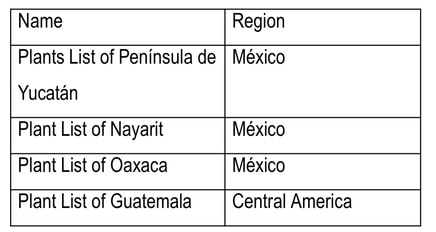
If you are interested in learning more about the plants that you can add to your hummingbird garden, please visit our Hummingbird Plants page. Additionally, we recommend the following guides to help you get started:
…to attract hummingbirds! Dripping water especially attracts birds to move through the running water, and in desert regions it is a particularly welcome amenity. Traditional pedestal birdbaths are usually much too deep for the tiny birds, so add a flat rock or two to the basin to make part of it shallower or fashion a small in-ground concrete pool with gradually sloping sides and external edges. Be sure to locate the birdbath out in the open so predators are less able to sneak up, and with some dense and thorny protective cover nearby so that the birds will be safe while preening their feathers.
This section is as important as any! It does little good to go to the expense and effort to provide a haven for hummingbirds if our own carelessness or ignorance endangers their health and well-being.
To greatly reduce the chances of bacterial infection, scrub feeders out with hot water before refilling and changing the nectar solution every few days, especially when encountering hot or humid weather. Birdbaths, too, should be cleaned regularly.
Avoiding or limiting the use of insecticides in the garden is another important caveat. Beyond the potentially harmful effects of pesticide traces being ingested, hummingbirds consume enormous amounts of small insects in addition to flower nectar, and many that we consider garden pests, such as aphids, may constitute the bulk of the diet of most hummingbird nestlings. A relaxed attitude toward spider webs, often plundered for both nest materials and trapped insects, is a good idea too.
Perhaps the most consequential human-related threat to your hummingbird sanctuary is that posed by free-roaming domestic cats. Because of their family structure, with females typically the sole providers for rearing their young female, hummingbirds are particularly vulnerable to cat predation; if a breeding female is killed her, dependent nestlings will likely follow in suit, dying of starvation or exposure, effectively taking out three birds at once. Migrating hummingbirds that may be unfamiliar with humans let alone their pets are also at considerable risk. Keep your own cat indoors (where it will live much longer), and lend your support to TENVAC (Trap-Evaluate-Neuter-Vaccinate-Adopt-Contain) and other humane feral cat enclosure programs that seek to protect wildlife.
Once you’ve gotten your hummingbird haven up and running, whether it’s an intimate grouping of container plants on your patio or a full-fledged hummingbird habitat, invite family, friends, and neighbors to enjoy the spectacle. The more of us that can be inspired to create oases for these winged jewels that so thoroughly fascinate us, the brighter their prospects for the future.
Nurseries play an essential role in preserving plant diversity. They even have the ability to support ecological interactions through restoration and conservation projects. One of the most important components is for nurseries to provide desirable, well-identified, and trusted planting material for restoration; However, there are still several obstacles to obtaining nursery-grown seedlings of a large set of genotypes and native species, this constituting a significant obstruction for advancing ecological restoration.
Establishing partnerships with native plant nurseries will help us improve local production and overcome production impediments such as a lack of available seeds or the knowledge of specific techniques for each species. On the other hand, some studies have shown success in the organization of cooperatives for nursery management as a profitable strategy for forest restoration and the management of natural resources in general.
As part of our restoration work area, the plants & nurseries support program aims to create a network of people interested in growing native plants and develop tools and materials to help their activities. If you are interested in starting a new nursery or increasing the availability of native nectar plants, please contact us!